
The Future of Cloud Computing: Trends and Predictions
Introduction: Cloud computing has transformed the IT landscape, becoming the backbone of modern businesses. But what's next? As technology continues its relentless march forward, the cloud is evolving at an unprecedented pace. This post delves into the cutting-edge trends and bold predictions shaping the future of cloud computing, offering insights into how your business can stay ahead of the curve.
Body:
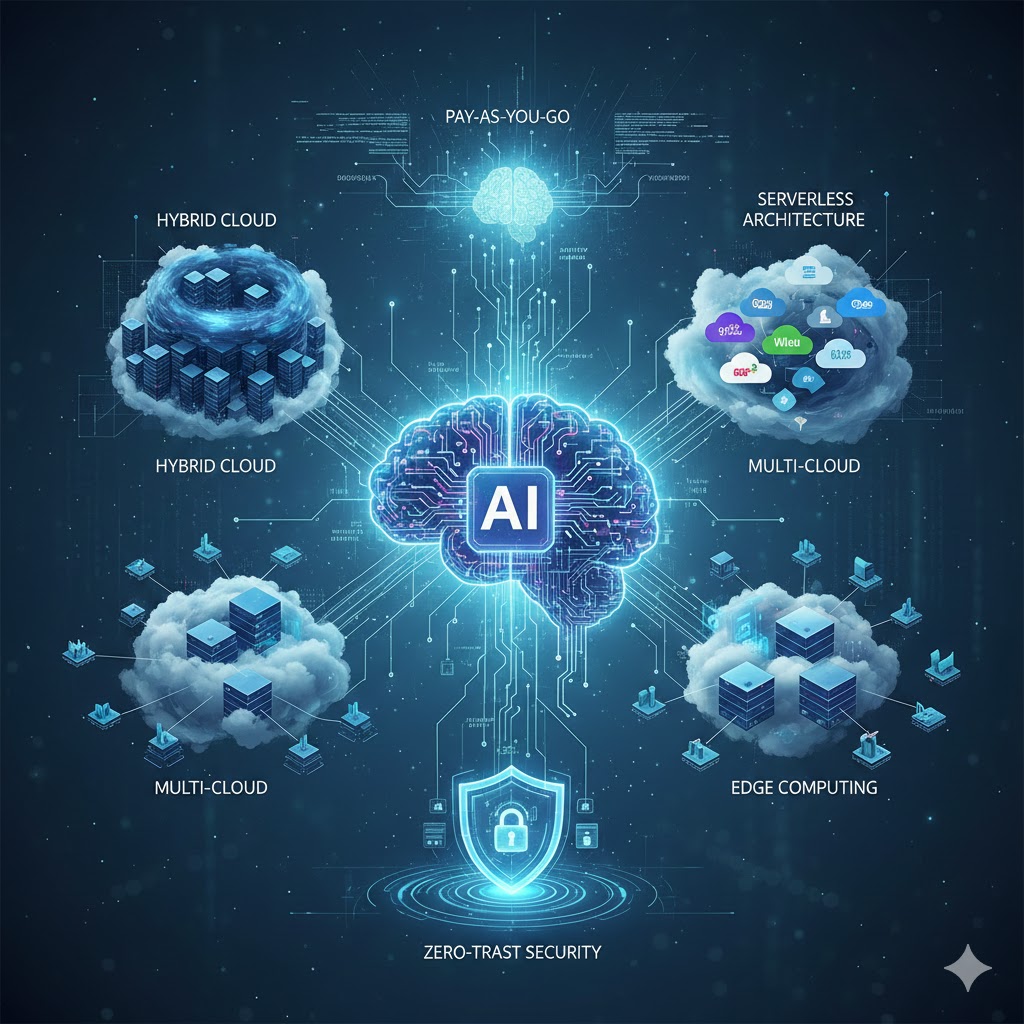
- Edge Computing Takes Center Stage: While the cloud centralizes data processing, edge computing brings it closer to the source. We'll explore how this paradigm shift is enhancing real-time applications, reducing latency, and creating more resilient networks, particularly in IoT-heavy industries.
- Serverless Architecture: The Next Evolution: Say goodbye to server management! Serverless computing allows developers to focus purely on code, with the cloud provider dynamically managing infrastructure. Discover the benefits of this "pay-as-you-go" model and how it's accelerating development cycles and optimizing costs.
- Hybrid and Multi-Cloud Dominance: The days of single-cloud reliance are fading. Businesses are increasingly adopting hybrid (on-premise + public cloud) and multi-cloud (multiple public clouds) strategies for enhanced flexibility, disaster recovery, and vendor lock-in avoidance. We'll discuss best practices for managing these complex environments.
- AI and Machine Learning Integration: AI and ML are no longer just applications on the cloud; they're becoming integral to the cloud itself. Learn how cloud providers are embedding AI capabilities into their services, enabling smarter resource allocation, automated operations, and advanced analytics for all users.
- Enhanced Security and Compliance: As more critical data moves to the cloud, security remains paramount. We'll examine innovations in cloud security, including zero-trust architectures, advanced threat detection, and automated compliance frameworks that are making the cloud a safer place for sensitive information.
Experiences More Blogs to Read

Technology
Jan 19, 2026
Digital Transformation: A Roadmap for Modern Businesses
Introduction: Digital transformation isn’t just about adopting new technology; it’s about fundamentally rethinking how your business operates, delivers value, and
By: it_admin

Technology
Jan 19, 2026
The Power of Data Analytics: Transforming Raw Data into Business Intelligence
Introduction: In today’s data-driven world, information is gold. But raw data alone isn’t enough; it’s the ability to analyze and
By: it_admin

Business
Jan 19, 2026
Cybersecurity in the Remote Work Era: Protecting Your Distributed Workforce
Introduction: The shift to remote and hybrid work models has brought unprecedented flexibility, but it’s also expanded the attack surface
By: it_admin